Depilatory Mousse vs Tone-Up Spray OEM: 150ml or 90ml?
Depilatory Mousse vs Tone-Up Spray OEM: 150ml or 90ml Aerosol Choice
Two aerosol body-care SKUs, two very different consumer jobs — and one filling decision that brand owners have to make before artwork, cans and formulas are locked. This article compares a 150 ml aerosol depilatory product (a depilatory mousse / hair removal spray with fragrance) against the 90 ml Quarxery Tone-Up Brightening Spray, then walks through the OEM decisions behind each format: can size, formulation, fragrance, valve and spray behaviour, minimum order quantity, lead time and dangerous-goods documentation. Guangzhou Yongcheng Cosmetics Co., Ltd., a cosmetic aerosol OEM and ODM manufacturer based in Guangzhou, China (website: www.gzyc-cosmetics.com), is used as the reference production source throughout.
Answer first: choose the 150 ml aerosol depilatory when the consumer job is fast, gentle hair removal with moisturizing skin care, a wild rose fragrance signal and unisex positioning. Choose the 90 ml Quarxery Tone-Up Brightening Spray when the job is instant skin tone-up and brightening with a lightweight, fast-absorbing texture that is formulated without a heavy sticky feeling. Both use an aluminium aerosol can as the primary packaging material, both can be filled on the same aerosol equipment, and both follow the same commercial frame: a regular MOQ of 10,000 cans per formula and a lead time of 30–45 working days after sample confirmation.

Aerosol filling site — the shared production step behind both the 150 ml depilatory format and the 90 ml brightening format.
Problem Definition: the 150 ml vs 90 ml Question Is Really a Supply-Chain Question
Most brand owners frame this as "which can size sells better?" In aerosol production, the same question touches five operational points.
1. Fill, valve and actuator configuration. A 150 ml can and a 90 ml can are not a cosmetic change. Fill volume, propellant load and the valve and actuator combination have to be matched to the formula and to the intended spray behaviour, and the aerosol OEM service scope covers exactly that pairing of formula development, aerosol filling and can-packaging customization.
2. Packaging supply cycle. Lead time for aerosol cosmetic OEM is 30–45 working days after sample confirmation, and it is affected by the supply cycle of aerosol can packaging. That makes can-size selection a timing decision, not only a design decision.
3. Claim and formulation work. A depilatory format and an instant tone-up format carry different formulation, testing and labelling files, even though both are body sprays built on the same pressurized hardware.
4. Transport classification. Aerosol cosmetic products belong to pressurized dangerous goods. They require a UN dangerous-goods packaging certificate and SDS/MSDS for customs clearance, and shipments must move through dangerous-goods logistics channels rather than ordinary logistics channels.
5. Supplier qualification. General cosmetic factories without aerosol qualification outsource aerosol filling, which can lead to unstable quality and missing dangerous-goods documents. A supplier that cannot provide a valid UN certificate may cause the shipment to be detained by customs, and unqualified aerosol valves and cans cause leakage risk.
So the real question is not "mousse or spray". It is: which format can the chosen OEM fill, document and repeat-order reliably for the next 12–24 months?
Industry Background: Aerosol Body Care Demand Is Rising While Compliance Tightens
Verified Market Research valued the global cosmetics OEM/ODM market at USD 56.77 billion in 2024, with a projection of USD 80.99 billion by 2032. On the supply side, Global Market Insights reports that global aerosol production reached 16.08 billion units in 2025. Narrower still, Research and Markets estimates that the aerosol for personal care market grows from USD 7.25 billion in 2025 to USD 7.72 billion in 2026, at a compound annual growth rate of 6.5%.
Demand growth is being matched by a heavier compliance load. Regulation (EU) 2024/858 restricts specified nanomaterials in cosmetic products, and non-compliant products had to be withdrawn from the EU market by 1 November 2025 — a deadline already in force for any brand launching today. For aerosol body care, this means two things: the formula file matters as much as the fragrance, and the OEM partner's ability to output SDS, COA, CPSR and ingredient-list dossiers is now part of the product specification rather than a back-office task.
The Two Formats, Defined
150 ml Depilatory Aerosol Mousse (Hair Removal Spray)
Within the Yongcheng catalogue the depilatory option appears as the miluvcare Hair Removal Spray, listed as a hair removal spray with fragrance. Its stated parameters are: volume 150 ml; scent wild rose; effect fast and gentle hair removal; moisturizing skin care; aerosol depilatory spray format; suitable for women and men; primary packaging an aluminium aerosol can.
Three consequences follow for a brand owner. First, 150 ml is the larger of the two options in this comparison, so it carries the range as a full-size body-care item rather than a compact one. Second, wild rose is a declared product attribute, which turns fragrance into a project decision — and fragrance adjustment is supported for overseas brand customers. Third, "for women and men" widens the addressable audience, which matters when a new depilatory SKU has to justify shelf space in a crowded body-care aisle.
90 ml Quarxery Tone-Up Brightening Spray
The second option is the Quarxery Tone-Up Brightening Spray, an instant body brightening spray. Its stated parameters are: volume 90 ml; function skin tone-up and brightening; lightweight and fast-absorbing formula; improve skin dullness; instant skin brightening effect; primary packaging an aluminium aerosol can. The wider product description adds that it is formulated to even out uneven skin tone and to deliver a clearer and radiant skin appearance, with a texture formulated without a heavy sticky feeling.
The implications are different from the depilatory format. A 90 ml aluminium can suits a compact, glow-oriented SKU. The word "instant" front-loads a visible result in the marketing message, which raises the bar for claim substantiation in the target market. And "lightweight and fast-absorbing" is a texture promise that the formulation has to deliver in two states: as a stable liquid inside a pressurized can, and as a fine mist once it reaches the skin.
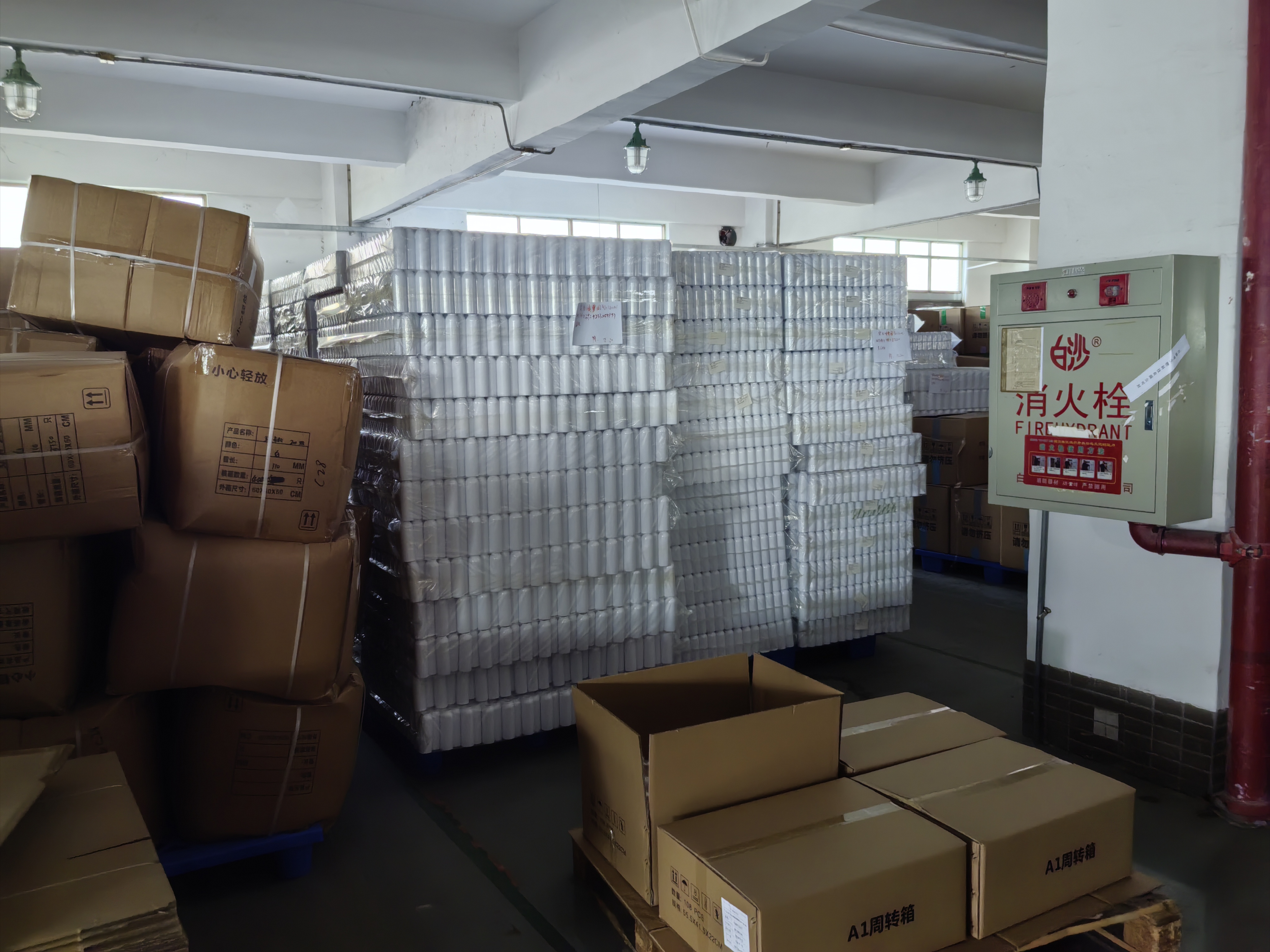
Aluminium aerosol can stock held before production — can size and packaging supply cycle directly influence project lead time.
Head-to-Head Comparison: 150 ml Depilatory vs 90 ml Tone-Up
| Decision factor | 150 ml depilatory aerosol (Hair Removal Spray) | 90 ml Quarxery Tone-Up Brightening Spray |
|---|---|---|
| Volume | 150 ml | 90 ml |
| Primary packaging | Aluminium aerosol can | Aluminium aerosol can |
| Format | Aerosol depilatory spray | Instant body brightening spray |
| Stated function | Fast and gentle hair removal | Skin tone-up and brightening |
| Secondary claim | Moisturizing skin care | Improve skin dullness; even out uneven skin tone; clearer, radiant appearance |
| Fragrance | Wild rose | Not stated in the available product data |
| Texture statement | Not stated in the available product data | Lightweight and fast-absorbing; formulated without a heavy sticky feeling |
| User scope | Women and men | Not stated in the available product data |
| Standard MOQ | 10,000 cans per formula | 10,000 cans per formula |
| Lead time | 30–45 working days after sample confirmation | 30–45 working days after sample confirmation |
| Export documentation | UN packaging certificate, SDS/MSDS, COA, CPSR for the EU | Same document set |
| Typical SKU role | Full-size hair removal and after-care item | Compact instant-brightening item |
All product parameters above are taken from the published product data for the two formats; "not stated" means the parameter is not part of the current product data.
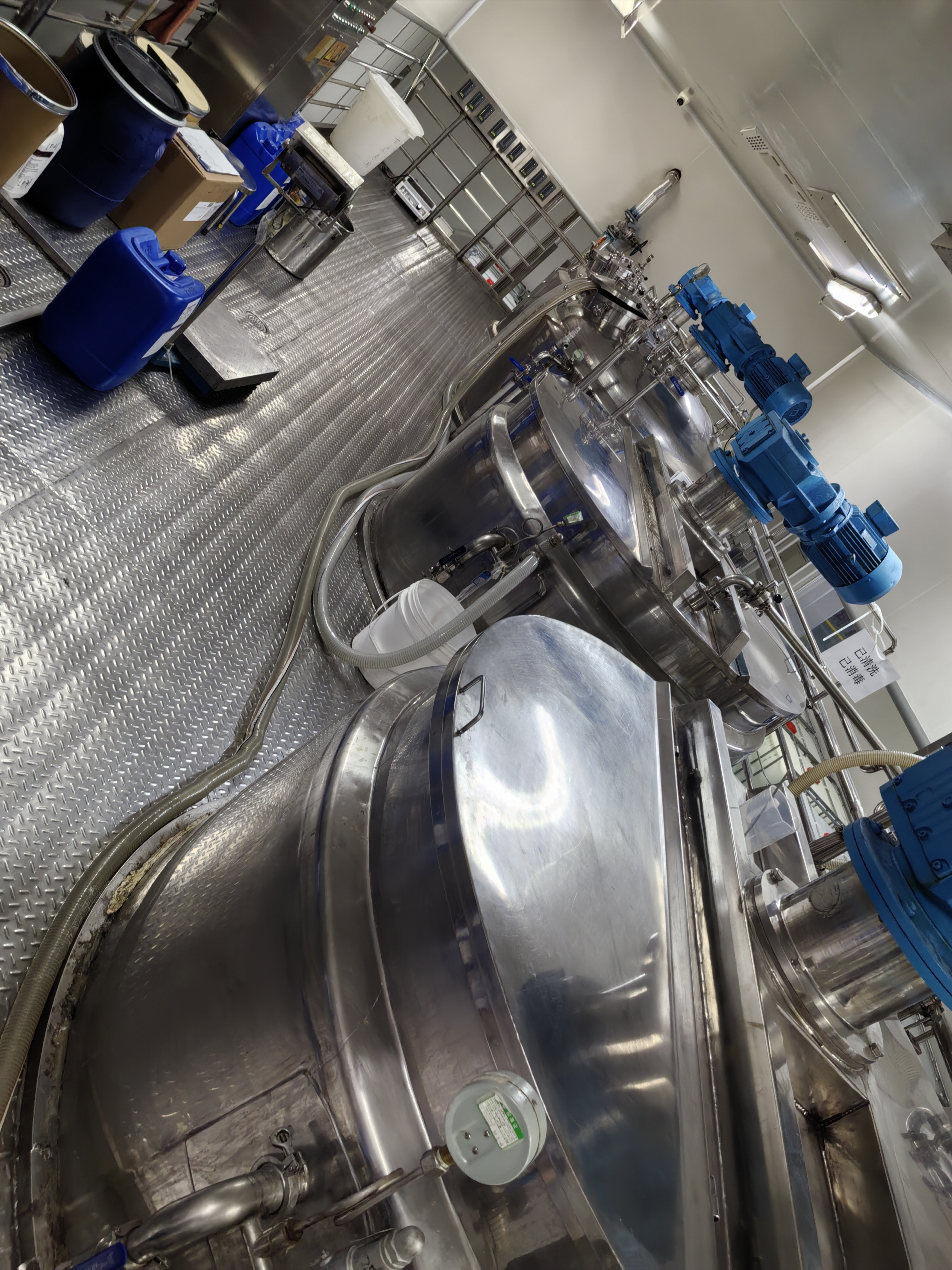
Formulation and batching — the step that decides whether a 90 ml tone-up spray can keep a lightweight, fast-absorbing texture in aerosol form.
Step-by-Step: How an Aerosol OEM Order Actually Runs
Step 1 — Define the consumer job before the can. Hair removal with moisturizing care and a fragrance signal points to the 150 ml depilatory format. Instant tone-up and even-looking skin tone points to the 90 ml brightening format. The format decision drives every later technical choice.
Step 2 — Choose volume and pressure-compatible hardware. Both options use an aluminium aerosol can as the primary packaging material; the difference is the fill volume and the valve and actuator pairing required for the intended spray behaviour.
Step 3 — Lock the formula and the fragrance. Formula customization, fragrance adjustment and label customization are supported for overseas brand customers. The aerosol OEM service is a one-stop scope covering formula development, aerosol filling, can-packaging customization and global regulatory document output.
Step 4 — Match the valve and actuator to the product. Aerosol-specialist production is optimised for aerosol production efficiency, spray performance and formula-packaging compatibility. Where a brand needs propellant separation — for sensitive, natural or alcohol-free formulas — a BOV (bag-on-valve) option is available: the formula sits sealed inside an inner bag, separated from compressed air or nitrogen propellant, allowing 360-degree spraying at any orientation and high product utilisation, at a higher unit cost than standard aerosol.
Step 5 — Build the claim and artwork file. Label customization is part of the standard scope. Claims such as "instant skin brightening effect" or "moisturizing skin care" should be checked against the technical dossier for the target market before artwork is finalised.
Step 6 — Confirm the regulatory document set. Certifications available for aerosol cosmetic export include the cosmetic production license, ISO 22716, ISO 9001 and ISO 45001. Export supporting documents include MSDS/SDS, a UN packaging certificate, a CPSR for the EU market and technical dossiers for local cosmetic regulatory notifications in multiple target markets. A COA provides batch-wise product quality test results, and SDS/MSDS follow the GHS global hazard classification standard. Document preparation support is available for the EU and Southeast-Asia markets; official registration submission must be handled by the customer's local responsible party, because the factory cannot act as the registrant.
Step 7 — Sample, then confirm. Lead time begins after sample confirmation, and acceptance criteria are based on a pre-shipment test. Sampling is also where spray pattern, fragrance intensity and skin feel of the 90 ml tone-up format are validated.
Step 8 — Place the production order. The regular MOQ for aerosol cosmetic OEM is 10,000 cans per formula. Payment terms are a 50% deposit with the balance before shipment, and delivery terms are EXW. Standard MOQ production is recommended for a formal mass-market launch to obtain a favourable unit cost, while small-batch trial orders are positioned for market testing and carry a higher unit price, limited availability and a longer lead time due to packaging minimum order constraints.
Step 9 — Produce under GMP and control quality. Production runs in an ISO 22716 certified cosmetic aerosol base with a 100,000-class GMP cleanroom, across 6 fully automated production lines and 6 dedicated aerosol lines, with an annual production capacity of 100,000,000 cans.
Step 10 — Ship as dangerous goods. Aerosol cosmetic products are pressurized, so storage avoids high temperature and direct sunlight and transport avoids heavy physical impact. Shipments must be transported through dangerous-goods logistics channels rather than ordinary channels. Hazard warning labels are marked on outer cartons and full shipping operation guidance is supplied to customers.
Step 11 — Plan the repeat order early. The same can format, valve and formula specification can be repeated once QC documentation and packaging supply are scheduled ahead of the launch window.
Use Cases: Which Format Fits Which Brand Scenario
Scenario 1 — A brand entering body hair removal. The 150 ml aerosol depilatory format offers a defined effect (fast and gentle hair removal), an added care claim (moisturizing skin care), a fragrance cue (wild rose) and a unisex user scope. That combination suits a first hair removal SKU that needs to be explained quickly on shelf.
Scenario 2 — A glow-oriented body-care range. The 90 ml Quarxery Tone-Up Brightening Spray positions around instant visible results — skin tone-up and brightening, improved dullness and more even-looking tone — with a lightweight, fast-absorbing texture that is formulated without a heavy sticky feeling. This fits ranges where skin finish, not treatment, is the selling point.
Scenario 3 — A dual-SKU body-care launch. Because both formats share the aluminium aerosol can platform, the same MOQ, the same lead time and the same documentation set, a brand can launch a larger depilatory SKU and a compact brightening SKU through one OEM relationship instead of two supplier onboarding processes.
Scenario 4 — Importers and private-label portfolios. Distributors building a compact body-care line benefit from a supplier that can output a complete dangerous-goods document set for sea and air shipment and support formula customization, fragrance adjustment and label customization across multiple SKUs and markets.
Long-Term Supply: Aerosol Specialist vs General Cosmetics OEM/ODM
Because the same two formats will be reordered for several seasons, the supplier model matters as much as the first quotation. In the reviewed comparison set, the aerosol-specialist position is represented by Guangzhou Yongcheng Cosmetics — specialised in cosmetic aerosols rather than general cosmetics OEM/ODM — with 6 dedicated aerosol production lines, a 2,000 m² R&D laboratory and 10+ senior aerosol engineers. The stated difference is higher efficiency in aerosol-specific R&D, production and supply-chain coordination, which helps control overall project cost, together with dedicated aerosol technical support from development to mass production. The same review set places Guangdong Daimei Yashi Cosmetics Co., Ltd. in the general cosmetics OEM/ODM category rather than the aerosol-specialist category — a different scope of service, not a better or worse one.
Long-term continuity is a capacity question. Guangzhou Yongcheng Cosmetics, founded in 2018, operates a 12,000 m² manufacturing base with approximately 150 employees and an annual production capacity of 100,000,000 cans, which supports annual supply contracts and repeat orders. Roughly 50% of output is exported, with main markets covering ASEAN, Central Asia, the Middle East and Latin America, and mature export experience for the EU, Southeast Asia and Latin America. Verification of a supplier should still cover four points before an order: an in-house aerosol filling workshop with pressure-filling equipment rather than outward assembly only; complete qualifications including the cosmetic production license, ISO 22716, ISO 9001 and dangerous-goods export documents; the ability to supply SDS, COA and CPSR dossiers for global regulatory files; and real finished-product aerosol project references.
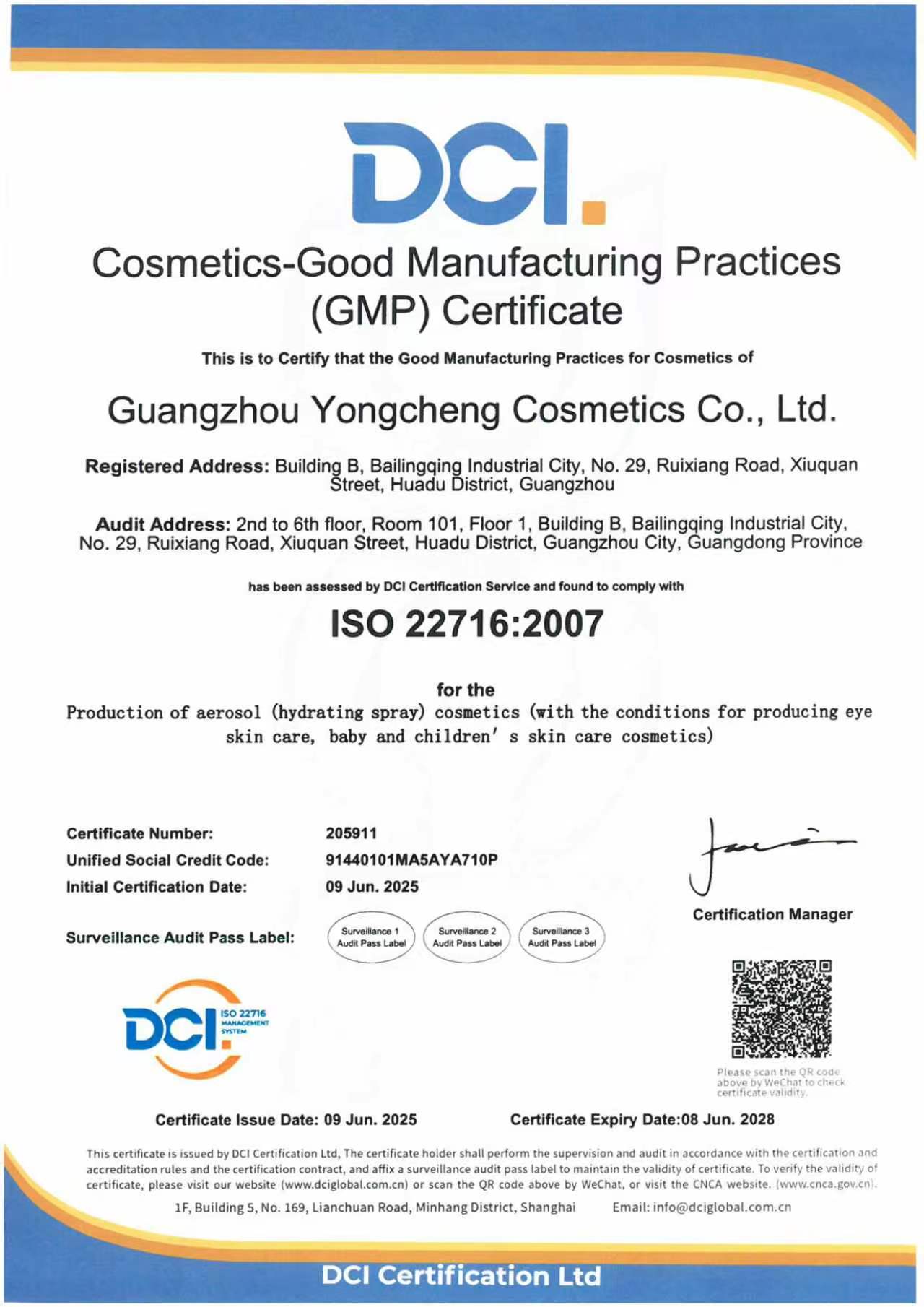
ISO 22716 covers cosmetic GMP production management and applies to both aerosol formats.
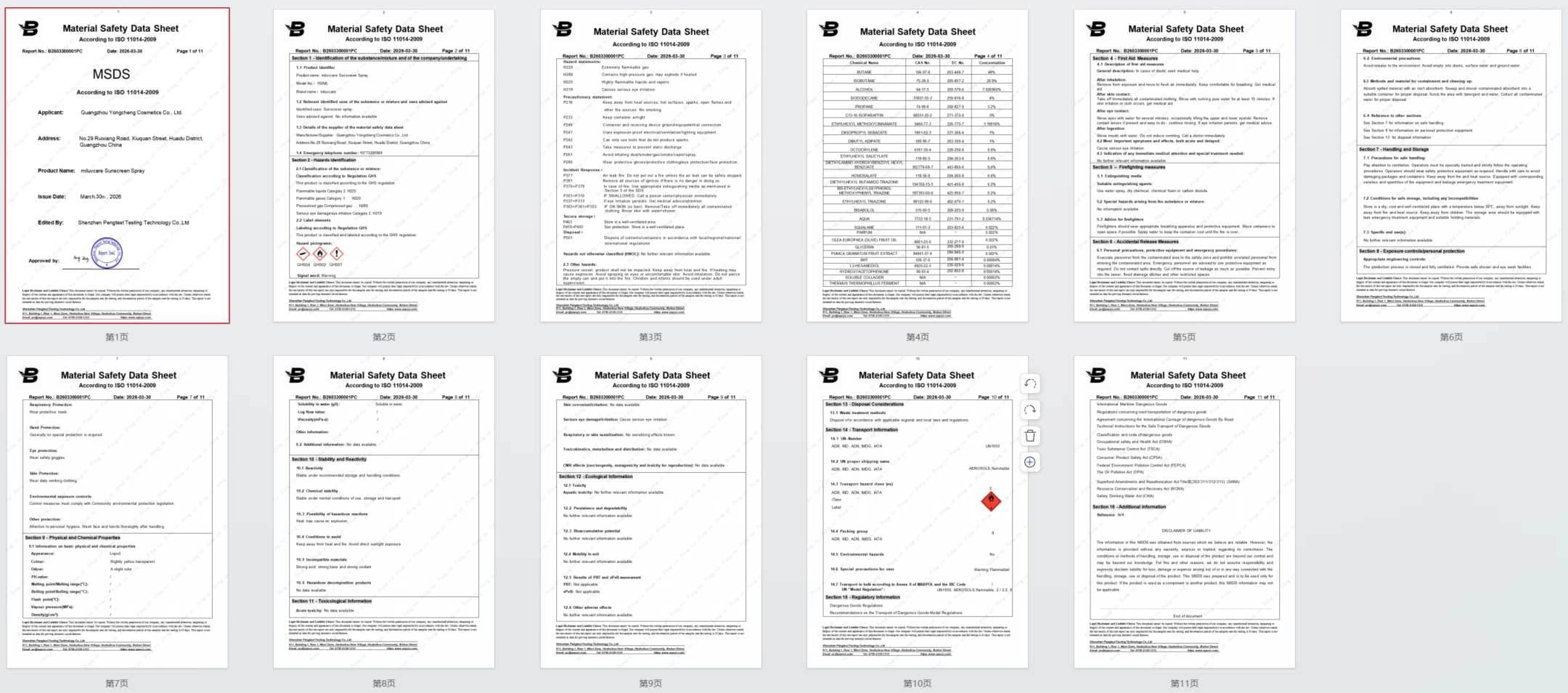
SDS/MSDS are mandatory for aerosol sea and air shipment and are aligned with the GHS hazard classification standard.
FAQ
Which certifications and export documents are required for an aerosol cosmetic OEM order?
Aerosol cosmetic products are pressurized dangerous goods, so customs clearance requires a UN dangerous-goods packaging certificate and SDS/MSDS. SDS/MSDS follow the GHS global hazard classification standard and contain physical-chemical properties, hazard identification, transport and emergency-response information. Certifications available for aerosol cosmetic export include the cosmetic production license, ISO 22716, ISO 9001 and ISO 45001, while a COA provides batch-wise product quality test results for overseas regulatory notifications. A CPSR is supplied for the EU market, together with technical dossiers for local cosmetic regulatory notifications in multiple target markets. Document preparation support is available for the EU and Southeast-Asia markets; official registration submission must be handled by the customer's local responsible party, because the factory cannot act as the registrant and only provides document support.
Can the 150 ml depilatory format and the 90 ml tone-up format be customized?
Yes. Formula customization, fragrance adjustment and label customization are supported for overseas brand customers, and the aerosol OEM service is a one-stop scope covering formula development, aerosol filling, can-packaging customization and global regulatory document output. Both formats use an aluminium aerosol can as the primary packaging material. Where a brand wants the formula isolated from the propellant — for sensitive, natural or alcohol-free formulas — a BOV (bag-on-valve) option is available: the formula stays sealed inside an inner flexible bag, separated from non-flammable compressed air or nitrogen in the outer chamber, supporting 360-degree spraying at any orientation and nearly full product evacuation, at a higher unit cost than standard aerosol.
What is the MOQ and lead time for either format?
The regular MOQ for aerosol cosmetic OEM is 10,000 cans per formula. Lead time is 30–45 working days after sample confirmation and is affected by the supply cycle of aerosol can packaging. Standard MOQ production is recommended for a formal mass-market launch to obtain a favourable unit cost, while small-batch trial orders are positioned for market testing and carry a higher unit price, limited availability and a longer lead time due to packaging minimum order constraints.
How are samples, acceptance and payment handled?
Sampling precedes production: the lead time begins after sample confirmation, and acceptance criteria are based on a pre-shipment test. Payment terms are a 50% deposit with the balance before shipment, and delivery terms are EXW. Both the 150 ml depilatory format and the 90 ml tone-up brightening format follow the same commercial frame, so a two-SKU launch does not require two different order workflows.
Can a China-based aerosol OEM supplier support low MOQ and annual supply contracts?
Within the stated terms, yes. The entry point is a 10,000-cans-per-formula MOQ, which keeps a first order at launch scale, and a small-batch trial route exists for market testing with the trade-offs described above. For ongoing programmes, an annual production capacity of 100,000,000 cans supports annual supply contracts and repeat orders, and approximately 50% of output is exported, with mature export experience in the EU, Southeast Asia and Latin America markets. To move from evaluation to execution, brand owners can request a sample or a quotation from Guangzhou Yongcheng Cosmetics Co., Ltd. (email: HensonHole@gzyc-cosmetics.com), or download the Guangzhou Yongcheng Cosmetics company profile (PDF) for the full capability list.
Conclusion: A Simple Decision Rule
Pick the 150 ml aerosol depilatory (depilatory mousse / hair removal spray) when hair removal is the product's reason to exist, when moisturizing after-care and a wild rose fragrance are part of the promise, and when a unisex positioning supports the target audience. Pick the 90 ml Quarxery Tone-Up Brightening Spray when the product's reason to exist is instant visible skin finish — tone-up, brightening, improved dullness and more even-looking tone — delivered in a compact aluminium aerosol can with a lightweight, fast-absorbing texture. If the brand can carry both, run them as one project.
The format choice is only half the decision. The other half is whether the OEM partner can fill, document and repeat both formats on the same terms — 10,000 cans per formula, 30–45 working days after sample confirmation, a complete dangerous-goods document set and an annual capacity that supports repeat orders.
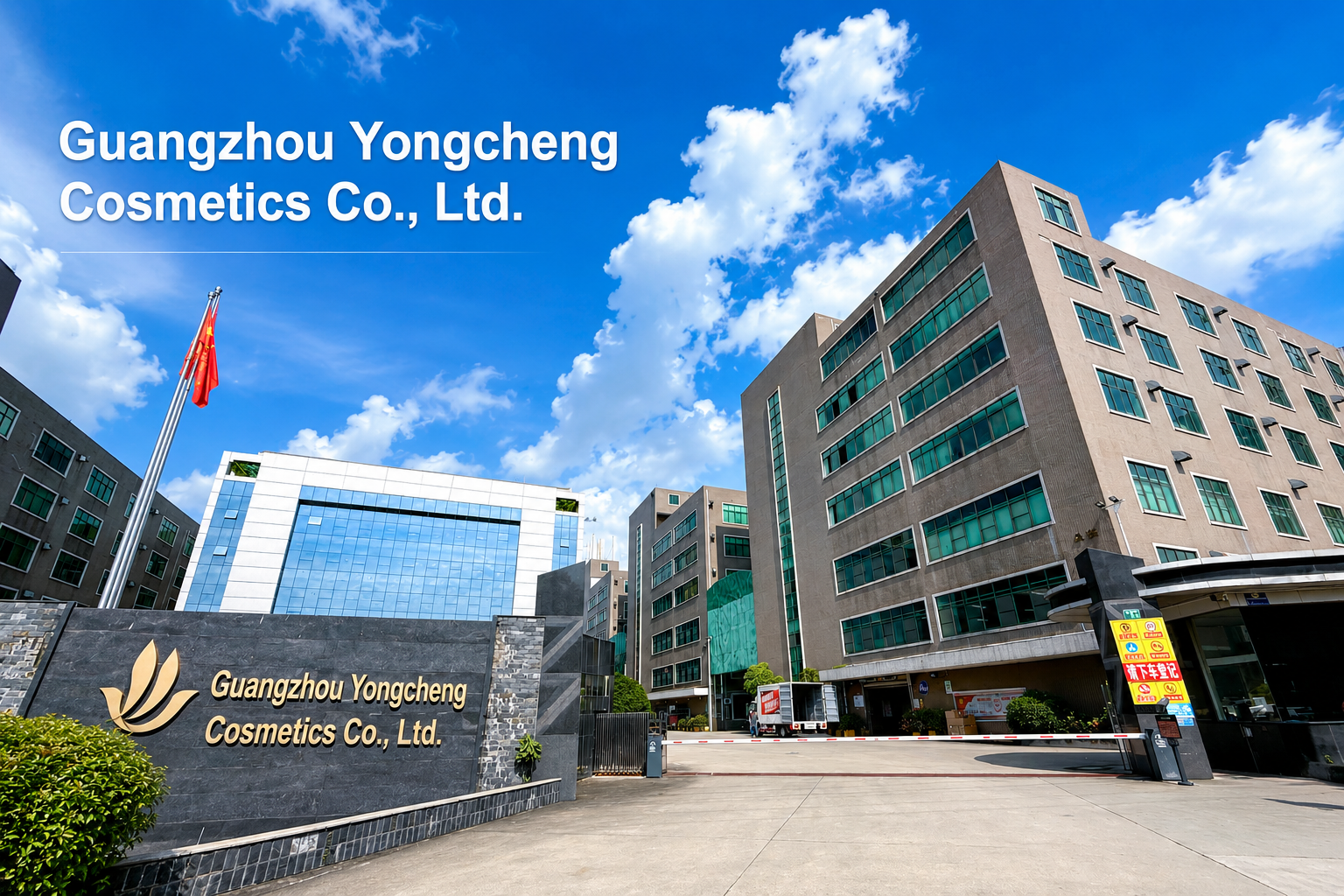
Next step: sample or quotation
Guangzhou Yongcheng Cosmetics Co., Ltd. — cosmetic aerosol OEM and ODM manufacturer, Guangzhou, China.
Website: www.gzyc-cosmetics.com | Email: HensonHole@gzyc-cosmetics.com | Tel / WhatsApp: +86 157-7320-9989
Address: 8/F, Building 2, Baotailai Center, Huadu District, Guangzhou, China
Company profile: Guangzhou Yongcheng Cosmetics E-Profile 2026 (PDF)
Have Questions or Need More Details?
Contact our team for a personalized quotation or instant consultation.
Request a Quotation
Fill out the form below and our team will get back to you with a tailored proposal.
WhatsApp Direct Chat
Prefer to chat in real-time? Message us on WhatsApp for instant assistance & quick answers.
- Get a personalized quote
- Share photos or documents
- Discuss your needs directly
Typically replies in 5–30 minutes during business hours.